The Window Upgrader
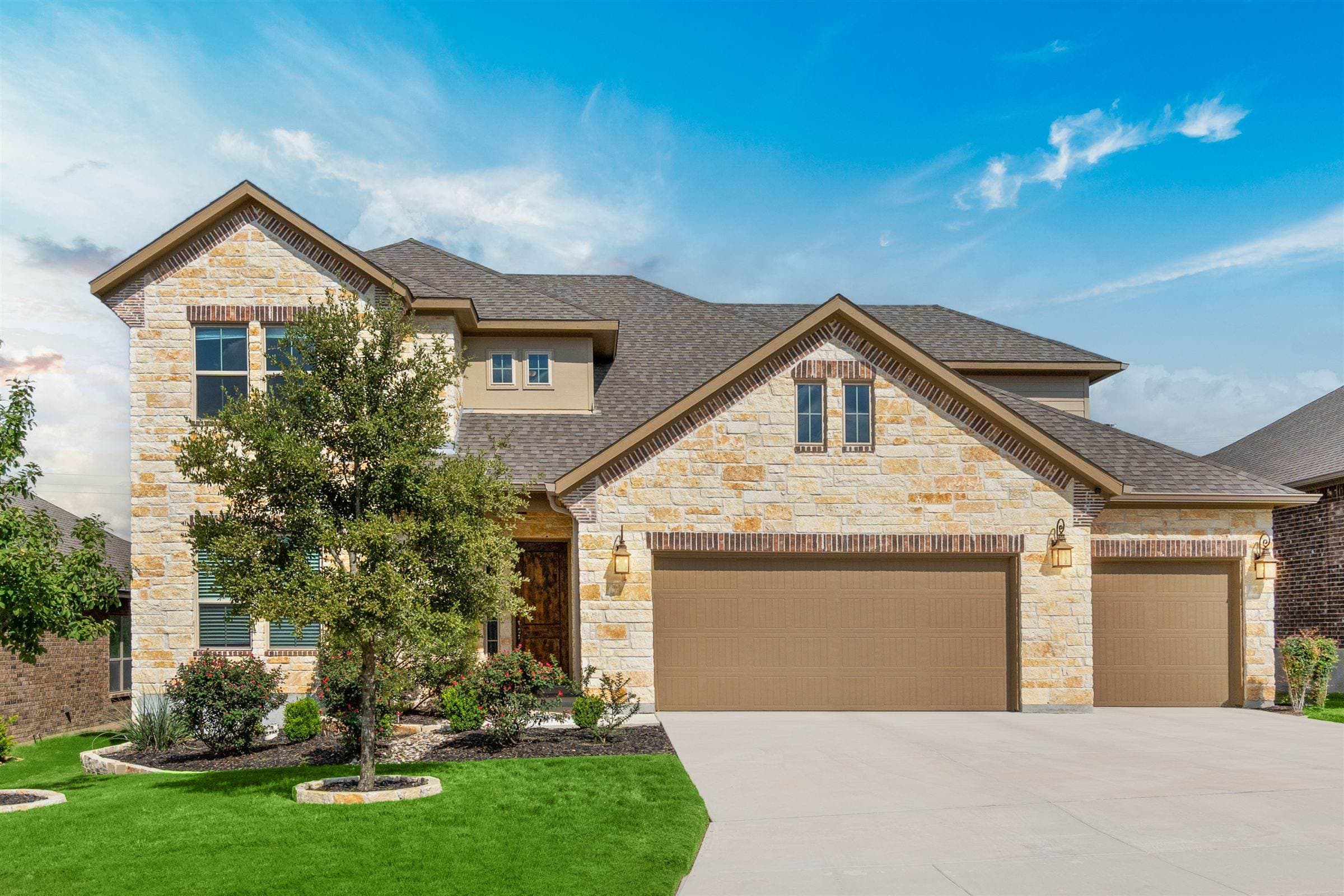
Two-story stone and siding home with large windows under a bright blue sky

Replacement Windows & Doors, Installed by a Licensed, Local Colorado Crew

Step 1 of 520%

Do we have installers near you?

Enter your ZIP code to check coverage in your area.

Tell us about your project and we'll match you with one installer near you for a free, itemized in-home estimate: a design consultant who measures and quotes at your kitchen table, and a crew that shows up when they say they will. One installer, not five. No obligation, no pressure.

  • One installer, never shared
  • Licensed & insured installers
  • Free in-home estimate

One installer, not five

Your request goes to a single local installer. We never sell it on, so your phone doesn't ring for a week straight.

Licensed and insured

We check state licensing and liability insurance before any installer receives a homeowner request, and recheck as they renew.

Free itemized estimate

The installer measures your openings and leaves a written, line-by-line price. No charge, no obligation, no same-day-only discount.

A real person calls

One live representative, by phone and email. No robocalls, no prerecorded messages, and we never text you.

Why Colorado is different

Three things windows have to survive here

Winter cold, hail, and a mile-high sun. Windows on the Front Range get worked from three directions at once. Here's what actually matters, and how to tell what you have now.

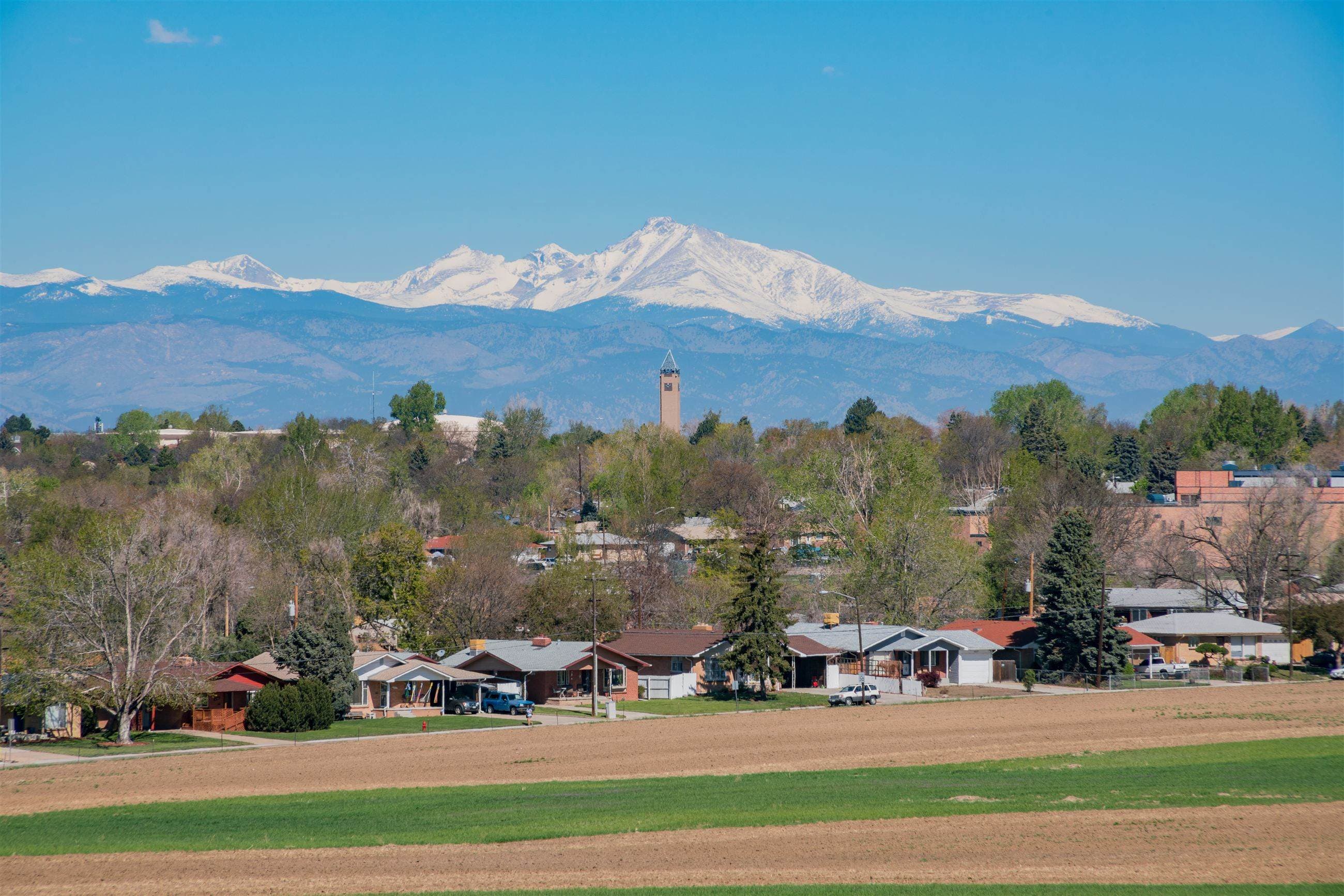
Snowcapped Front Range peaks rising above a Colorado neighborhood

Winter cold & drafts

The draft you feel in January is the bill you pay in February

In a Colorado winter, heat leaves the house through glass faster than through any insulated wall. Single-pane windows and leaky old frames make the furnace run to warm the outdoors, and the rooms nearest the glass never quite feel warm. Insulated multi-pane units with Low-E coatings keep the heat you paid for on your side of the window.

  • U-factor is the number that matters in Colorado: it measures how fast heat escapes
  • A draft near a closed window is failed weatherstripping or a failed frame, not weather
  • Argon-filled double- and triple-pane units hold warmth without blocking winter light
  • Qualifying products earn the federal 25C credit, up to $1,200 per year

Hail & Chinook winds

The Front Range is hail country. Your windows already know.

The corridor from Boulder down the Front Range sees some of the most frequent large hail in the country, and the same foothills geography drives Chinook windstorms that rattle frames and work seals loose over time. No window is hail-proof, but frame material and glass construction decide whether a storm means a few dings or a replacement claim.

  • Laminated glass options hold together when struck instead of shattering into the room
  • Fiberglass and composite frames shrug off impacts and temperature swings that crack vinyl
  • Downslope windstorms stress hardware and seals; quality locking systems keep sashes tight
  • After a hail event, have openings inspected along with the roof. Damage there is often missed

Altitude & sun

A mile closer to the sun, and your floors can tell

High-altitude sunlight is meaningfully stronger than at sea level, and Colorado gets a lot of it. It fades hardwood, furniture, and fabric through ordinary glass year-round, and the same days that start below freezing and end in the sixties put constant expansion stress on frames and seals. Low-E coatings block most UV, and stable frame materials ride out the daily swings.

  • Low-E glass blocks the UV that fades floors and furniture without darkening the room
  • Big daily temperature swings crack and warp cheap frames; material choice matters here
  • South- and west-facing rooms show fading and heat gain first
  • Sealed units built for altitude avoid the pressure distortion flatland glass can show here

Impact ratings, energy performance, and eligibility for state or federal programs vary by product and by where your home is located. Your estimator will tell you which of these apply to your house, including when the honest answer is that replacement isn’t worth it yet.

Programs available in Colorado

You may not be paying full price

Several federal and state programs can offset the cost of replacing your windows and doors. Your installer’s estimator will walk through which ones you qualify for.

Up to $1,200

Federal tax credit on qualifying windows

The federal 25C credit covers 30% of qualifying window and door costs, up to $1,200 per year for windows and $250 to $500 per exterior door. Available through 2032.

Credit amounts and eligibility depend on product performance ratings and your individual tax situation. Not all products qualify. This is not tax advice. Consult a tax professional.

What projects typically cost

Full-home window replacement generally runs $8,000 to $20,000 depending on the number of openings, frame material, and glass package. Smaller projects scale down from there. Your written estimate is free and itemized. No pressure, no obligation.

Ranges are typical industry figures for planning purposes only and are not a quote. Your installer sets their own pricing.

See what your project actually costs

Five quick questions, one local installer, and an itemized written price.

Get My Free Estimate
Sunlight falling across a clean white window sill

What actually changes

The room stops fighting your thermostat

This is what people notice first, and it isn't the power bill. Rooms hold an even temperature instead of swinging with the sun. The west-facing side of the house becomes usable in August. The street gets quieter. The bill savings are real and they show up on a statement a month later, but the comfort shows up the same afternoon the crew leaves.

Windows and doors installers quote

Every style below is measured, built to your opening, and installed by the local licensed installer you’re matched with. Not sure which you need? That’s what the free in-home estimate is for.

Single-Hung

1 / 11

Bottom sash slides up; top sash stays fixed

The classic and most budget-friendly replacement window. The lower sash raises for ventilation while the upper stays put, which means fewer moving parts, less air leakage over time, and easy screen fitting. Most older homes have single-hungs, so replacements usually drop into the existing opening cleanly.

Best for: Whole-home replacements where count matters more than features.

Wood front entry door with glass sidelites on a brick and siding porch

Doors, in the same visit

The first thing anyone sees, and the last thing sealed

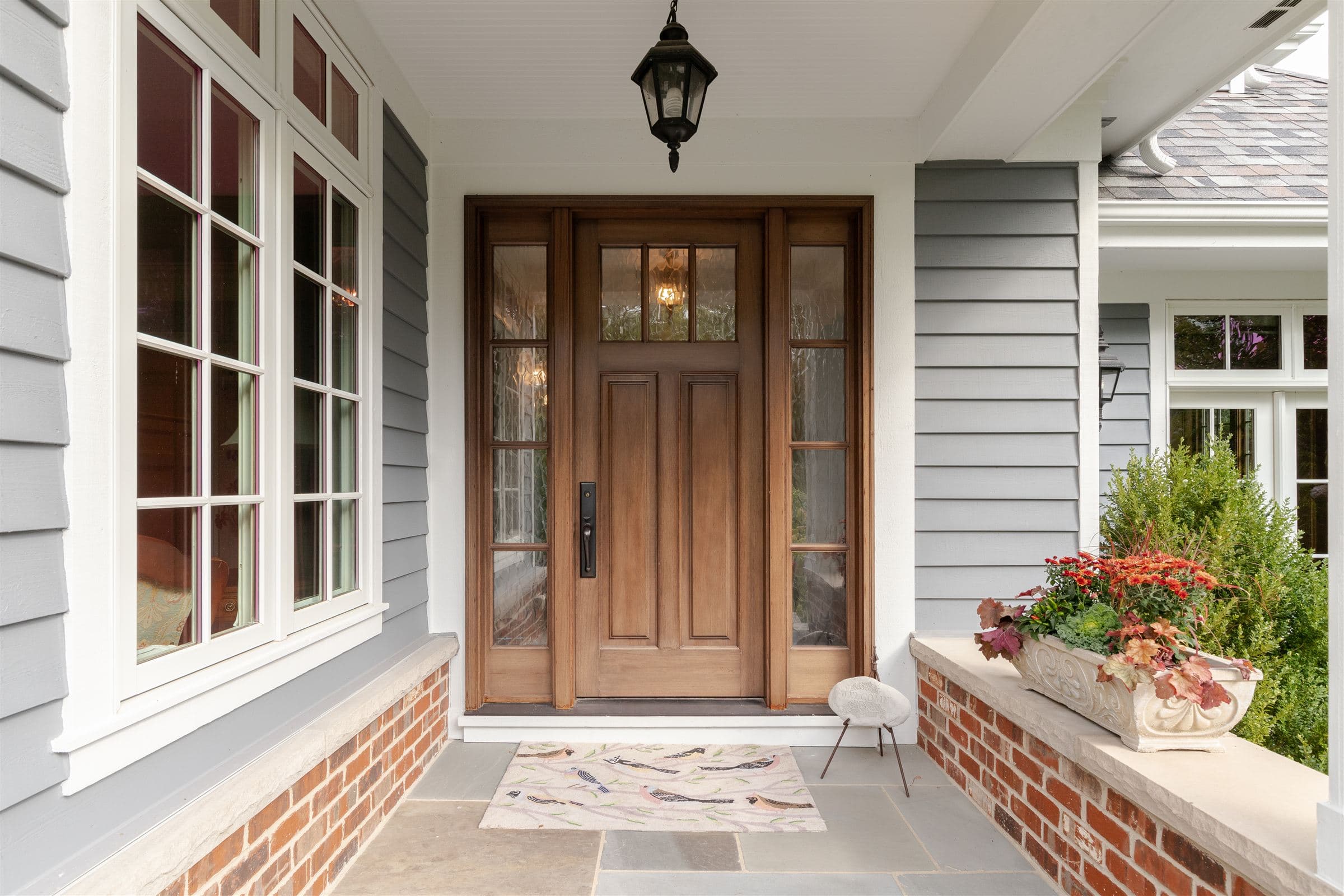
An entry door does two jobs at once: it sets the impression of the whole house, and it seals the biggest single opening on the wall. Older doors usually fail quietly at the second job, leaking conditioned air around a warped slab or a flattened threshold gasket long before they look worn.

Entry doors, patio doors, and sliders are measured and quoted in the same free visit as your windows. One estimator, one itemized sheet, one decision.

What happens after you submit

No surprises, and no mystery about who does what.

Estimator reviewing window measurements with a homeowner at the front door
  1. 1We do this

    You tell us about the project

    Five quick questions: what you're replacing, roughly how many openings, your timeline, and your ZIP. Takes under a minute.

  2. 2We do this

    We match one local installer

    We find a licensed, insured installer covering your ZIP and send them your request. One installer, never a list sold to five companies.

  3. 3Your installer

    They call and quote you

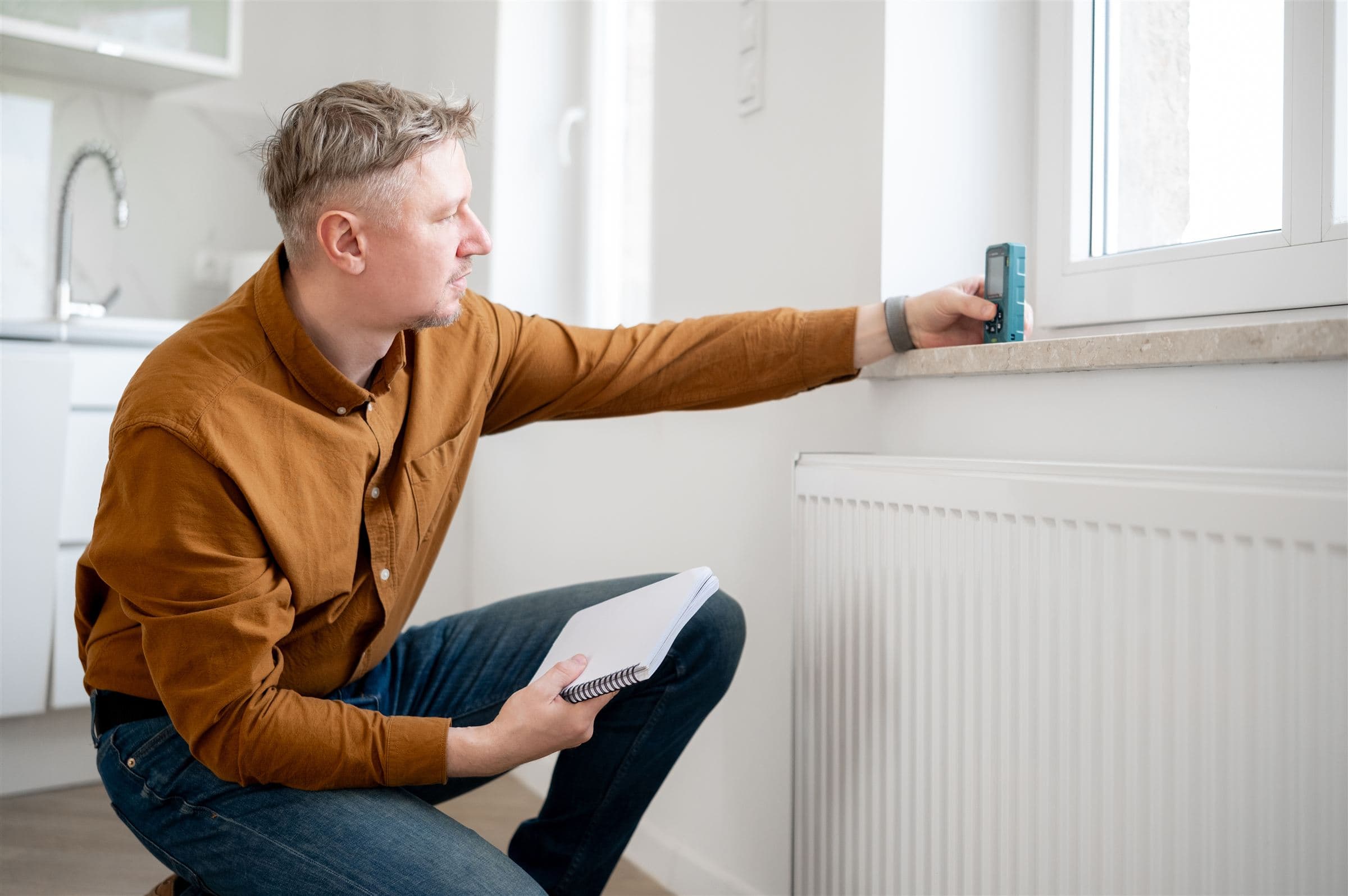
    A live representative calls to schedule. Their estimator measures your openings, shows you options in person, and leaves an itemized written price. Free, and no obligation.

  4. 4Your installer

    They install and warranty it

    If you move forward, the installer handles permits, manufacturing to your measurements, installation, and the warranty. Your contract is with them, not with us.

Ready when you are

Free in-home estimate from one licensed local installer. No pressure, no obligation.

Start My Estimate

Counties we serve

Our installer network is concentrated in the Boulder area and reaches neighboring Front Range communities from there. Don’t see yours? Send a request anyway and we’ll tell you honestly whether we have anyone near you.

Where our installers are concentrated

  • Boulder County

    County seat: Boulder

    Boulder · Longmont · Louisville · Lafayette · Superior · Erie · Lyons · Nederland

Also serving

  • Broomfield County

    County seat: Broomfield

    Broomfield

Serving Boulder and surrounding Colorado communities.

How we vet the installers

We don’t install windows. We match you with someone who does, and these are the standards they meet before they ever receive your request in Colorado.

Licensed & Insured Installers

We verify state contractor licensing and liability insurance before an installer receives a single homeowner request.

One Installer, Never Shared

Your request goes to exactly one local installer. We never sell it to multiple companies, so you don't field five calls.

Vetted Installer Network

Installers are reviewed on licensing, insurance, and customer history, and removed from matching if standards slip.

ENERGY STAR® Options

Installers in the network offer ENERGY STAR certified products meeting EPA efficiency standards for your climate zone.

NFRC Rated Products

Ask your installer for the NFRC label: it carries independently verified U-factor and Solar Heat Gain Coefficient for the exact unit quoted.

Questions homeowners ask

Who actually shows up at my house?

One local licensed installer, not us. The Window Upgrader is a matching service: we take your request, find a licensed and insured installer covering your ZIP, and hand it to exactly one of them. They do the estimate, the work, the permits, and the warranty. Your contract is with them.

Will I get called by five different companies?

No. Your request goes to one installer and one only. We don't sell it on, and we don't list it to a bidding pool. That's the main reason this exists.

Is the estimate really free?

Yes. The installer's estimator comes to your home, measures your openings, shows you options, and leaves an itemized written price. There is no charge and no obligation to buy.

What does a full-home project actually cost?

Most full-home window replacements run $8,000 to $20,000 depending on how many openings you have, frame material, and glass package. Smaller projects scale down from there. We'd rather give you a real range now than a teaser price that changes at the door.

Can new windows stand up to Colorado hail?

No window is hail-proof, and anyone who tells you otherwise is selling something. What you can buy is resilience: laminated glass that holds together when struck, and fiberglass or composite frames that take impacts without cracking. Your estimator will walk through the options and what each costs. If you've had a recent hail event, it's also worth having your openings inspected alongside the roof — window damage is often missed in claims.

Do I need triple-pane windows in Colorado?

Sometimes, not always. Triple-pane buys real comfort in exposed or high-elevation locations and cuts noise further, but a quality double-pane unit with Low-E glass and an insulated frame closes most of the gap at lower cost. It should be a priced option on your written estimate, not a default upsell.

How much will this cut my energy bill?

Honest answer: it depends on what you have now. Replacing single-pane or old aluminum-frame windows in a Colorado home makes a noticeable difference to how hard your heating and cooling work. Going from decent double-pane to slightly better double-pane will not. A good estimator will tell you which situation you're in, including when the answer is that new windows aren't worth it for energy reasons alone.

What happens to my old windows?

Haul-away of the old units and debris is normally part of the installer's scope, and it should appear as a line on your written estimate. If it's not there, ask. You shouldn't be left with a pile of aluminum frames by the garage.

How long does installation take?

Most homes are completed in one to two days once your units arrive. Manufacturing to your exact measurements generally takes a few weeks after you approve the order.

Who handles permits and inspection?

Your installer does. Pulling the required permits and coordinating inspection is part of their scope, and it should be itemized on the written estimate they leave with you.

How will you contact me?

A live representative calls you by phone, and we email you. That's it. No automated dialers, no prerecorded or AI voice messages, and we never send text messages. The only automated message you'll receive is a single confirmation email right after you submit.

What happens after I submit the form?

You'll get one confirmation email immediately. Then the licensed installer we matched you with calls to confirm details and schedule a time. Most homeowners hear back within one business hour during operating hours.

See what your project would cost

Answer five quick questions and a licensed installer in Colorado will bring you a free, itemized written estimate. No pressure, no obligation, and no charge.

  • Free in-home measurement and written quote
  • One local installer, never a shared list
  • Every program you qualify for, applied
Step 1 of 520%

Do we have installers near you?

Enter your ZIP code to check coverage in your area.

Get My Free Estimate